
Homeowners don’t want to wait weeks or even months for a green lawn to grow, and that’s why sodding is the perfect solution for anybody who wants to enjoy perfect grass right away.
But before you commit to a sod installation in the Greater Toronto Area, there are some factors to consider, including when is the best time to lay new sod and your soil type. The landscaping pros at ISR Gardening have put together the following guidelines for best sod installation.
When the Best Time Of Year To Lay Sod – Summer
So how late can you lay sod in Ontario? The schedule for laying down sod is very flexible as opposed to seeding. The best time to lay sod in southern Ontario is anytime after the ground thaws in spring and before it freezes in fall or winter:
- Don’t install your new sod until your soil temperature is holding steady between 10 and 15 degrees Celsius, which can be done by buying a cheap soil thermometer from your local hardware store
- While there is some flexibility, the best time to lay the sod is in late summer or early fall because warmer temperatures help the roots take hold easier and still leave time for the new sod to get settled before the brutal winter weather comes.
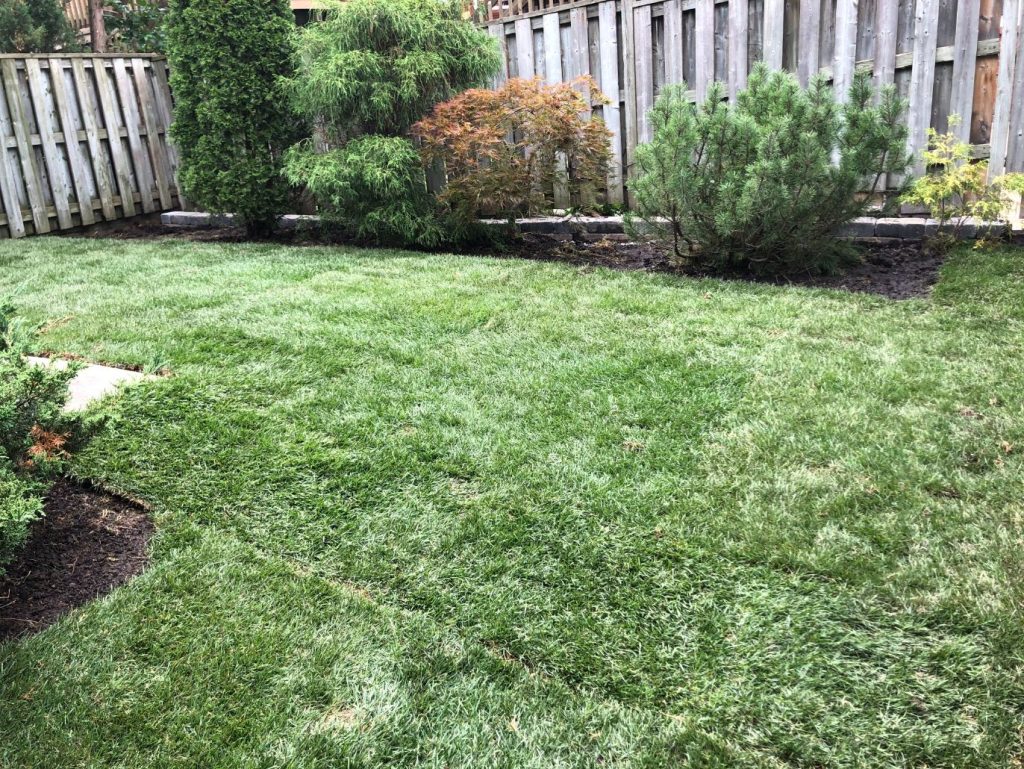

Worst Time Of Year for Laying Sod
As discussed previously, use soil temperature as a guide for laying down your sod. Don’t roll it out too late in the fall or too early in the spring. This will also make it more difficult to find new sod because there isn’t as much harvesting going on at these times of the year.
Ensure that your sprinkler system is good to go and that all of your patio furniture is taken out of your storage because you’ll want to minimize foot traffic on your new sod once it’s laid down.
The middle of the summer when it’s hottest is one of the worst times to lay sod because its condition can deteriorate more easily during delivery.
If your area is experiencing a drought, wait until it’s over to install new sod. Despite regular watering, hitting your sod with intense variances of heat and moisture can really stress it out and lead to poor results.
Why is it bad to lay sod in late fall? If the ground freezes before your new sod’s roots system can take hold, you will be horrified in the spring when your lawn is a lumpy, patchy mess. Just don’t do it!
Best Environment To Lay Sod
With sod, your grass already looks fabulous and it’s ready to go for installation, but you still need to do some prep work on the ground before you roll it all out.

How to Lay Sod in the Summer
Laying sod in the summer in southern Ontario is doable, but it can be difficult. It requires taking soil temperatures, coordinating installation with weather forecasts, and watering twice a day once installed. Here are a few additional tips for laying sod in the summer:
- Avoid installing sod during a drought.
- Avoid installing sod before or after heavy rainfall.
- Use a soil thermometer to make sure the soil is between 10°C and 15°C.
- Water your soil once in the early morning and once in the early afternoon.
- Install your sod in temperatures between 15°C and 24°C.
- Lay sod in the late summer as opposed to early summer.

How to Lay Sod in the Spring
Spring is one of the best times to lay sod in southern Ontario. The ideal months are late April to early May. When you install sod in the spring, care and maintenance requirements are fairly routine. However, there are a few tips that can help your sod thrive, including the following:
- Monitor weather forecasts before installation to make sure there’s zero risk of frost.
- Water the sod 15 to 30 minutes after the first roll is laid.
- Water once in the morning and once in the afternoon for the first 2 to 3 weeks.
- Avoid watering following rainfall.
- Water shaded areas of sod less frequently or for a shorter amount of time

How to Lay Sod in the Fall
Early fall is another great time of year to lay sod in Southern Ontario as the temperatures are cooler but not yet freezing. The best time in the fall to lay sod is mid-August to late September. Here are some useful fall sod-laying tips:
- Cut your sod to about 2 inches during the last mowing of the season to prevent matting underneath the snow.
- Lightly water the soil before laying the sod.
- Avoid over-watering as cooler temperatures keep the soil moist longer than in the summer or spring.
- Use a winterizing fertilizer to prep the sod for the cold.
- Minimize leaf collection as it can smother the sod and trap moisture, leading to mold.
Related Article: How to Lay Sod
Why Do We Lay Sod?
So what is sodding exactly? “Sodding” refers to laying down rolls of grass on top of soil for it to take root. Sod is pre-grown by farmers and is pre-cut into mats. Compared to seeding a new lawn, sod installation offers many benefits, including:

Other Factors Impacting When You Can Lay Sod
While the time of year is a crucial factor impacting when you can lay sod, it isn’t the only one. Here are other key factors that influence sod installation:
Ground Preparation
Ground preparation involves clearing away debris, tilling the soil, laying a starter fertilizer, as well as checking soil temperatures and moisture levels.
Type of Sod
There are cool-season and warm-season sods you can install. Choosing the right sod for the season is key to successful root development and long-term growth.
Type of Soil
Not every soil is the same. There are clay soils, sandy soils, and loam soils. Each soil has varying nutrient levels and consistencies, which affects the pre- and post-installation requirements.
Related Article: Cost of Sod in Ontario 2026
Conclusion
In conclusion, the best time to lay sod is late spring to early fall. As long as you follow the proper pre- and post-installation requirements for your sod, there’s no reason why you can’t have healthy sod year-round. Contact ISR Gardening for a sod installation consultation today!